


'/%3E%3Cpath%20fill='%23b2b2b2'%20d='M241%20382q0%2016%2017%2026%2017%2011%2042%2011t42-11q16-11%2017-26V269H241'/%3E%3Cpath%20fill='%239f7e00'%20d='M241%20379q0%2014%208%2023%209%209%2021%209%2014%200%2021-9%209-9%209-23V269h-59'/%3E%3Cpath%20d='M241%20339v-70h59v110q0%2014-9%2023l-6%205v-68h-15v72q-8%200-14-4v-68zm59%2040c0%2022%2015%2032%2029%2032%2021%200%2030-18%2030-32v-40h-59'/%3E%3Cpath%20fill='%239f7e00'%20d='M266%20277v5h2v12h-3v-5h2v-5h-9v5h2v5h-4v9h3v18h-5v10h34v-10h-5v-18h3v-9h-4v-5h2v-5h-9v5h2v5h-3v-12h2v-5zm42%20101q0%2010%206%2017%206%206%2015%207%2010-1%2016-7%206-7%206-17v-29h-43'/%3E%3Ccircle%20fill='%230044ad'%20cx='329.5'%20cy='372'%20r='6'/%3E%3Cellipse%20fill='%230044ad'%20cx='300'%20cy='340'%20rx='16'%20ry='21'/%3E%3C/svg%3E)


Our Local Guides’ List of the Best Activities in Vienna for Your First Visit
We still remember the first time a customer hired us to plan an itinerary for a first visit to Vienna. He wanted to surprise his wife with a complete program. The idea sounded wonderful, but he soon found himself overwhelmed by the number of options. Honestly, we understood him. We know how much Vienna has to offer, which sometimes makes narrowing it down even harder.
Before recommending anything, we had to ask a few questions. How many days would they have in Vienna? What did they usually enjoy while travelling together? Were they more interested in history, art, music, food or outdoor activities? We also needed to understand their preferred pace. A couple happy to walk all day needs a different itinerary from a family combining several ages and interests.
Since then, we have helped many visitors make similar decisions. We now have a list of the best activities in Vienna that we would confidently recommend to our own family and friends. The activities cover the city’s history, music, art, architecture, food and green spaces. We tried to limit the list to ten, although a few honourable mentions simply had to be included.
1. Explore Vienna’s Old Town beyond the main streets
Whenever friends visit us for the first time, we usually begin around St. Stephen’s Cathedral. It gives them an immediate sense of arrival. From there, it is easy to continue towards Graben, Kärntner Straße and Hofburg Palace or towards Rotenturmstraße, Schwedenplatz and the Danube canal.
These streets contain some of Vienna’s most recognisable architecture, shops and cafés. They are busy and touristy, but that does not mean you should avoid them. They are popular for a reason and belong to a first walk through the city.
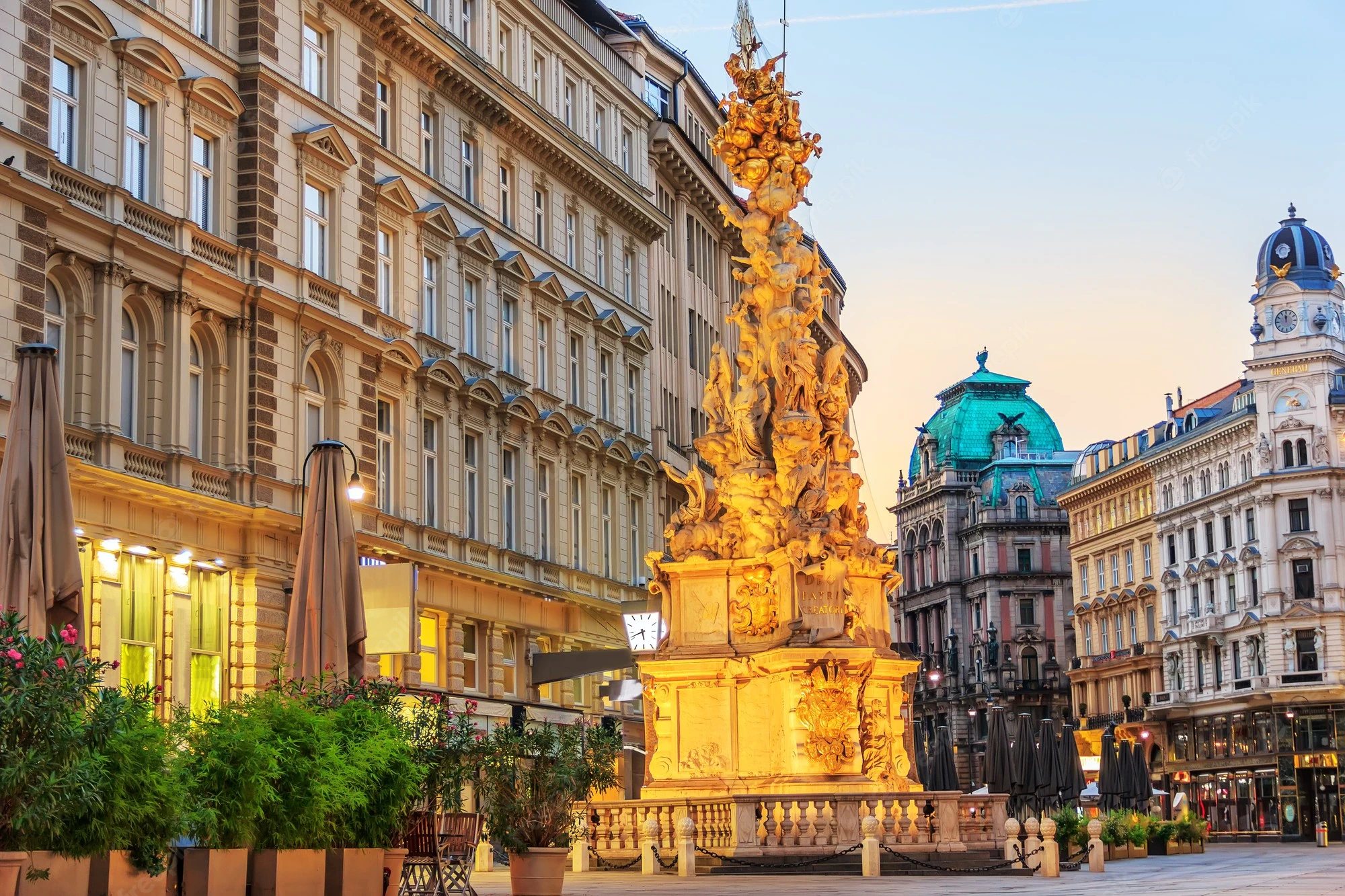
Still, we would never show someone Vienna by walking along those streets alone. Turn into the parallel lanes and the atmosphere changes quickly. Small courtyards, old passages and unusual architectural details appear just a few steps from the crowds. Some of our favourite corners in the centre are places visitors would probably pass without noticing.
This balance makes the Old Town suitable for different interests. History lovers can find there centuries of architecture. Shoppers can visit their favourite brands or discover local shops. Food lovers will find cafés, restaurants and traditional shops, while photographers can explore the quieter alleyways.
One small thing to consider is that many fascinating places have no signs explaining their stories. This is why we often recommend beginning a visit with one of our public tours and experiences in Vienna. A guided introduction provides context, after which you can return independently to the places you enjoyed most.
2. Visit the #1 attraction in Vienna – Schönbrun Palace and gardens
We have visited Schönbrunn with history enthusiasts, families, couples and tourist groups. They all experienced the Summer residence of the Habsburgs differently. That is precisely why it works so well during a first visit.
The palace is the natural choice for anyone interested in the Habsburgs and imperial life. The rooms help visitors understand how members of the ruling family lived, worked and presented themselves. Once outside, the gardens offer a completely different experience.
We particularly enjoy walking towards the Gloriette. The climb requires some effort, but the view over the palace and towards Vienna is worth it. You can also stop for coffee at the top before returning through the gardens.
Families may prefer the maze or Schönbrunn Zoo. Founded in 1752, it is the oldest zoo in the world and can easily become the main activity of the visit. Couples looking for something more personal can arrange an imperial photo session in the Schönbrunn Palace Gardens. The Schönbrunn Panorama Train is useful for visitors who struggle with long walks.

We think half a day is enough for most visitors, but only if they choose their priorities. Trying to explore the palace, gardens, Gloriette, maze and zoo in one morning will probably leave everyone exhausted. If the zoo is important to your group, consider giving Schönbrunn most of the day.
Our guide to Schönbrunn Palace and Gardens can help you decide which parts belong in your visit.
3. Choose one major art museum
When someone asks us to name Vienna’s best museum, we usually answer with another question: best for whom?
We love art, archaeology, history and architecture, so we would honestly struggle to choose only one. Vienna has large imperial collections, smaller specialist museums and institutions devoted to almost every imaginable subject. We have visited many of them, although even we have not seen every small district museum.
For a first visit, we usually recommend an art museum, in particular the stunning Kunsthistorisches Museum and the impressive Upper Belvedere. As they are big though, one will be enough. The question is, which one?
The Kunsthistorisches Museum is our preferred option for variety. You can move through collections from ancient Egypt, Greece and Rome before seeing works by Bruegel, Velázquez and Caravaggio. Even visitors who are less interested in paintings may enjoy the imperial building, archaeological displays and Kunstkammer. Even the cafe inside the museum is one of the most beautiful cafes in the city.
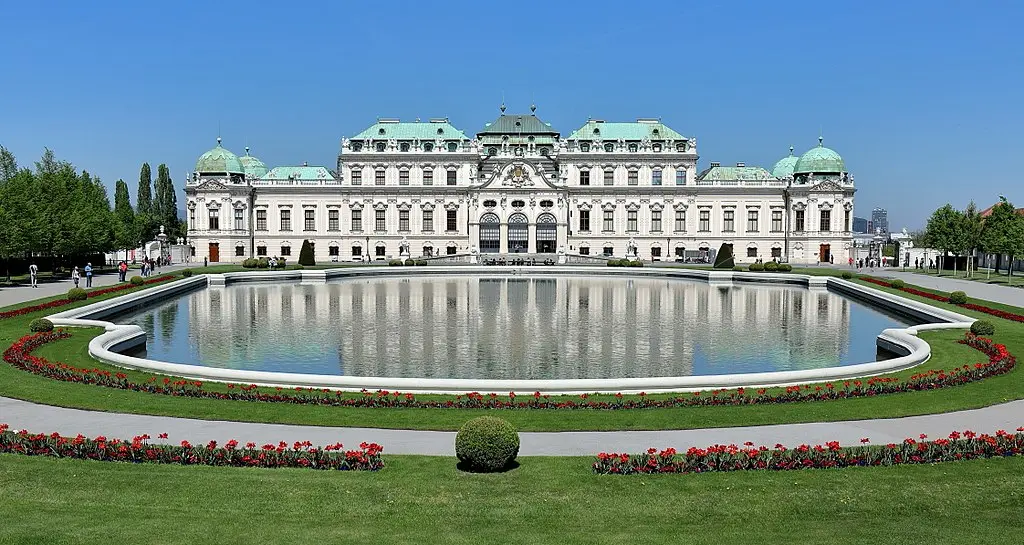
The Upper Belvedere offers a more focused visit. It combines a Baroque palace, formal gardens and Austrian art. Gustav Klimt’s The Kiss is the main attraction for many visitors, but it is far from the only reason to go. We recommend the Belvedere particularly to people interested in Klimt and Vienna around 1900.
The Albertina is another strong choice, especially for visitors who enjoy graphic art, changing exhibitions and imperial interiors. You will find there paintings by great artists such as Monet, Picasso and Schagal.
Before choosing, ask how much time your family or group wants to spend inside a museum. The Kunsthistorisches Museum can easily take 3-4 hours. The Upper Belvedere is usually easier to approach as a shorter, more focused visit.
A knowledgeable guide can also help a mixed group concentrate on the works and stories most relevant to them. Our private tours in Vienna include museum visits. We also offer a dedicated Kunsthistorisches Museum tour and Upper Belvedere tour.
4. Attend a classical concert for an unforgettable musical experience
Vienna is the city of music, so a top activities list cannot be complete without a classical music concert. For many people, going to a classical concert is a new experience and many of our customers are worried that it’s too long or too specific and unrecognisable. Let us guarantee you that a concert will likely end up being one of your vacation’s highlights.
And if you do decide to go to a concert, our top suggestion would be to choose an authentic venue that caters for both tourists and locals. That’s why we offer on our website the Secret Mozart concert, which takes place at the oldest concert hall in Vienna.
The Secret Concert at the Sala Terrena offers an intimate, historic atmosphere. This unique and beautiful hall is located right behind St. Stephen’s Cathedral, inside a quiet courtyard belonging to the Teutonic Order. Mozart performed there in 1781, shortly after moving there from Salzburg.

The programme includes works by composers such as Mozart, Schubert, Beethoven and Haydn. We find this a good introduction for first-time concertgoers because the setting feels special without becoming overwhelming.
On the other hand, some visitors dream of grand chandeliers, a large orchestra and a famous concert hall. If that describes you, choose a larger venue like the Golden Hall. The best concert depends on the programme, setting and atmosphere you want. To save you the search, we gathered many recommendations here.
5. Experience the Vienna State Opera your way
We know people who have spent an entire evening at the Vienna State Opera and others who stayed for less than an hour. Both said they had an unforgettable evening and came away feeling that they had experienced a truly important part of Vienna.
As the first building on the Ringstraße, the State Opera is significant for the city’s history and should be on your list. If you are mainly interested in the building, a guided tour may be enough. The standard tour takes approximately 40 minutes and usually includes the foyer, grand staircase, state rooms and auditorium. It provides access to areas you cannot properly explore by standing outside.

For the complete experience, book a seat for an opera or ballet. You do not need to be an expert, but we recommend reading a short summary beforehand. Following the story makes a long performance much easier to enjoy.
Standing tickets offer a flexible alternative. They are sold on the day of the performance and let you experience the auditorium and part of the production without purchasing a standard seat. If standing becomes tiring, you can leave during an interval.
One thing to consider is the season. The State Opera normally has no performances during July and August. Guided tours may still be available, while the Film Festival at Rathausplatz offers free screenings of musical productions during summer.
Schedules and ticket arrangements can change, so check the official State Opera programme and ticket information before your visit.
6. Follow the Ringstraße through architecture and parks
The Ringstraße is the most important boulevard in Vienna and arguably one of Europe’s most impressive streets. Along 4-5 km you will find the city’s most magnificent buildings and monuments.
The boulevard developed after Emperor Franz Joseph ordered the removal of Vienna’s old fortifications in the nineteenth century. The new buildings presented Vienna as a modern imperial capital. Today, they provide an open-air lesson in architecture and political history.
Along the route, you can see the State Opera, Parliament, City Hall, Burgtheater, the university and the two great museums on Maria-Theresien-Platz. Each building represents a different part of public and cultural life.

The nearby parks prevents it from feeling like a continuous architecture walk. Near the Burgtheater you will find the beautiful Volksgarten, also known as the rose garden with hundreds of roses. Walk further and you’ll reach the Burggarten, where the gorgeous statue of Mozart makes one of Vienna’s favourite photo spots. Further along the Ring you will find the Stadtpark, known for the many statues within it, including the golden statue of Strauss.
This is probably the easiest tip you’ll get – simply walk along the Ringstraße to experience Vienna’s glory.
7. Visit the Prater Amusement Park
So far, our list has covered architecture, art, music and history. Now, how about some pure fun? The Prater is Vienna’s famous amusement park, and no matter your age, you will find something enjoyable to do there.
The Prater opened to the public in 1766, making it one of the oldest amusement areas in the world. Its famous Giant Ferris Wheel was added in 1897 and eventually became the tallest surviving Ferris wheel in the world. It held that title between 1920 and 1985. We definitely recommend taking a ride for the historic cabins and fantastic views across Vienna.

Entrance to the Prater is free because you pay separately for each attraction. Even walking through the park and enjoying the atmosphere is worthwhile. However, with more than 250 attractions available, you will probably find at least one ride or game you want to try.
The rides are only the beginning. You can visit Madame Tussauds, watch international magicians at Magic World Vienna or book the Strauss Dinner Show at the Mirage. There are also countless places to eat, including iconic establishments such as Schweizerhaus and the unusual Rollercoaster Restaurant.
It is honestly one of our favourite places in Vienna. What I personally love about the Prater is that I can visit it with my wife, my son or my friends and enjoy it differently every time. Beside the amusement park, there is also an enormous green area where you can walk, rent a bicycle and explore the long Hauptallee. This combination makes the Prater a great choice for almost anyone visiting Vienna.
8. Learn how to make Schnitzel and Apfelstrudel
Vienna is famous for many dishes, but Wiener Schnitzel and Apfelstrudel are probably the two that visitors are most excited to try. You can enjoy them at iconic restaurants and cafés such as Figlmüller, Plachutta, Café Landtmann or Café Gerstner. We definitely recommend tasting them during your stay. However, learning how to make them is a completely different experience.
We included this activity because it gives visitors something they can take home from Vienna. Long after the holiday ends, they can prepare the same dishes for family and friends and relive some of the flavours they discovered here. For us, that makes a culinary workshop much more memorable than another restaurant visit.
Our Schnitzel and Apfelstrudel workshop combines both Austrian classics in one hands-on evening. Together with local chef Nabiel, participants prepare a traditional Schnitzel and work on their own strudel dough. No previous cooking experience is required, and the activity works well for couples, families and groups of friends.

We also like the social side of the experience. Everyone participates, learns and eventually sits down to enjoy what they prepared together. After several days of museums, palaces and guided sightseeing, it is refreshing to spend an evening creating something yourself.
One small thing to consider is that the workshop lasts approximately three hours, so treat it as your main evening activity. It is currently held in English, with German available on request. If you prefer to concentrate on a single dessert or try another Viennese speciality, you can compare the options on our Vienna baking workshops page.
9. Experience Vienna’s coffee house culture
Learning to make Apfelstrudel yourself does not replace sitting in a Viennese coffee house and ordering a slice with your coffee. The same applies to Sachertorte, Kaiserschmarrn and the many other desserts connected with the city. However, visiting a traditional café is about much more than food.
Vienna’s coffee houses have served as meeting places for writers, artists, politicians and thinkers for centuries. People came to read newspapers, exchange ideas, work or simply spend several hours at the same table. This tradition is so important that Viennese coffee house culture was added to Austria’s UNESCO inventory of intangible cultural heritage in 2011.
Our personal favourites are Café Landtmann and Café Gerstner. Landtmann has a long history, an elegant interior and a wonderful location near the Burgtheater and City Hall. Cafe Gerstner is a true hidden gem and ideal if you want to combine beautiful rooms with classic Viennese cakes and pastries.
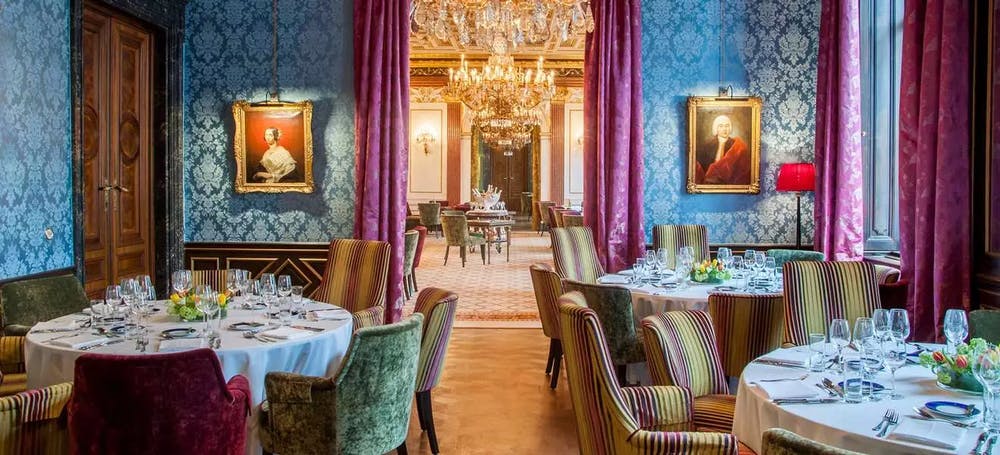
There are many other excellent options. Café Central is famous for its architecture and former guests. Demel is known for its imperial history and desserts, while Café Hawelka offers a completely different, more artistic atmosphere. Café Sluka is another traditional choice, and Haas & Haas is one of our favourite quieter spots near St. Stephen’s Cathedral.
Our advice is simple: choose a café that fits naturally into your day, order a Viennese coffee and try at least one traditional dessert. Do not rush. Read, talk or simply observe the room. Some of the most famous cafés have long queues, so we would rather visit a quieter alternative than spend an hour waiting outside. The real experience comes from slowing down and enjoying the coffee house as generations of Viennese residents have done before you.
10. Visit one of Vienna’s shopping areas (added due to popular demand)
Shopping is rarely the first reason someone visits Vienna. Still, we have learned that many couples, families and friends appreciate having one part of the itinerary that requires no historical concentration.
For most first-time visitors, we prefer Mariahilfer Straße. It is a long commercial street with international brands, smaller businesses and cafés. Its location also makes it easy to combine with the MuseumsQuartier or Naschmarkt.
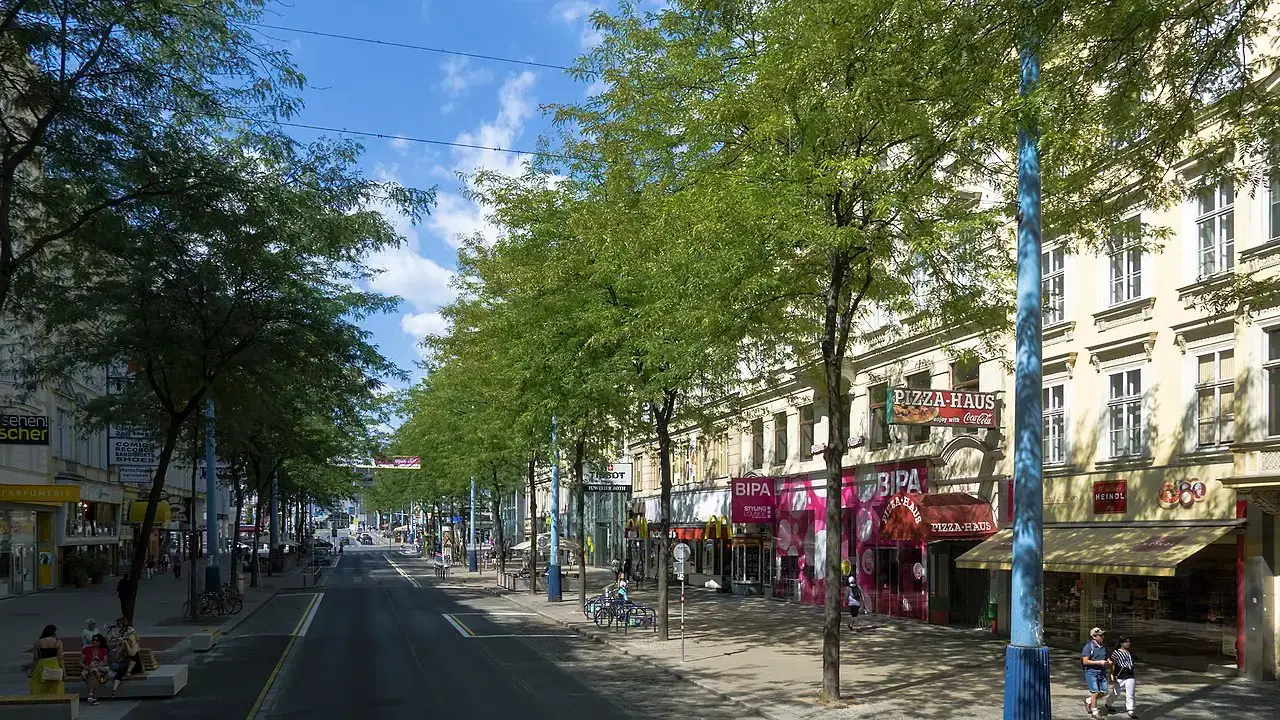
The nearby side streets add another dimension. If one person wants to shop and another prefers exploring, they can separate briefly without travelling to completely different parts of Vienna. The relatively nearby neighborhood of Spittelberg is actually one of our favourite parts of Vienna.
Donau Zentrum is the more convenient choice when visitors want many shops inside one large indoor centre. We would consider it during rainy or particularly cold weather. It also suits people looking for a specific store rather than a central Viennese atmosphere.
One thing to consider is travel time. Mariahilfer Straße fits naturally into a sightseeing day. Donau Zentrum requires a separate journey, although Vienna’s underground system makes it easy to reach.
A few activities we could not leave out
We tried to stop at ten, but these three activities deserve an honourable mention.
Visit the Naschmarkt: The market combines food stalls, shops and restaurants. We particularly enjoy visiting on Saturday, when the weekly flea market adds antiques and second-hand objects. It becomes crowded, though, so do not expect a peaceful neighbourhood market.
Combine Grinzing with Kahlenberg: Mount Kahlenberg offers broad views over Vienna, while Grinzing is associated with wine taverns and vineyard culture. Check the opening days of any particular Heuriger (wine house) before travelling there. Many do not open every day.
Explore the Danube in summer: The Danube Canal near the centre offers waterside venues, street art and walking routes. The Old Danube and New Danube are better choices for swimming and recreation. Visitors sometimes imagine one continuous riverside area, but these locations offer very different experiences.

What did our first customer choose
Remember the customer who wanted to surprise his wife with a complete Vienna itinerary? He loved the list we prepared, although he naturally made a few adjustments based on their personal interests. That is exactly how we recommend using this article. Start with the activities that appeal to you, then shape them around the people travelling with you.
We also encourage you to continue exploring our blog. We cover Vienna’s famous attractions alongside lesser-known places and more secret experiences. You may discover something that deserves a place in your itinerary, even if it did not make this particular list.
With so much to do in Vienna, every list will always be subjective. Still, we are confident that building your itinerary around these activities will help you enjoy a varied and unforgettable stay in our beautiful city.
If you would like a guided introduction, explore our public tours and experiences in Vienna. Groups looking for a more personal route can also consider our private tours in Vienna. If you are still unsure, send us a message through WhatsApp and tell us what you enjoy. We will gladly help you choose.
Frequently asked questions about a first visit to Vienna
How many days do we recommend for a first visit to Vienna?
Honestly, we think three full days are the minimum for a satisfying first visit. This gives you enough time for the Old Town, Schönbrunn, one major museum and a musical or culinary experience. Four or five days are even better if you want to enjoy Vienna without constantly checking the time.
Which Vienna activities work best when people have different interests?
We would choose places that offer several experiences at once. Schönbrunn combines history, gardens, views and family activities. The Prater offers rides, shows, restaurants and a massive green park. An Old Town walk combines architecture, history, shopping and food. The Schnitzel and Apfelstrudel workshop is another great shared activity because everyone can participate together.
Which activities should we book before arriving in Vienna?
We recommend booking palace tickets, important museum visits, concerts, opera performances, culinary workshops and guided tours in advance. This is particularly important during weekends and popular travel periods. Coffee houses, parks, shopping streets and independent walks can usually remain flexible.